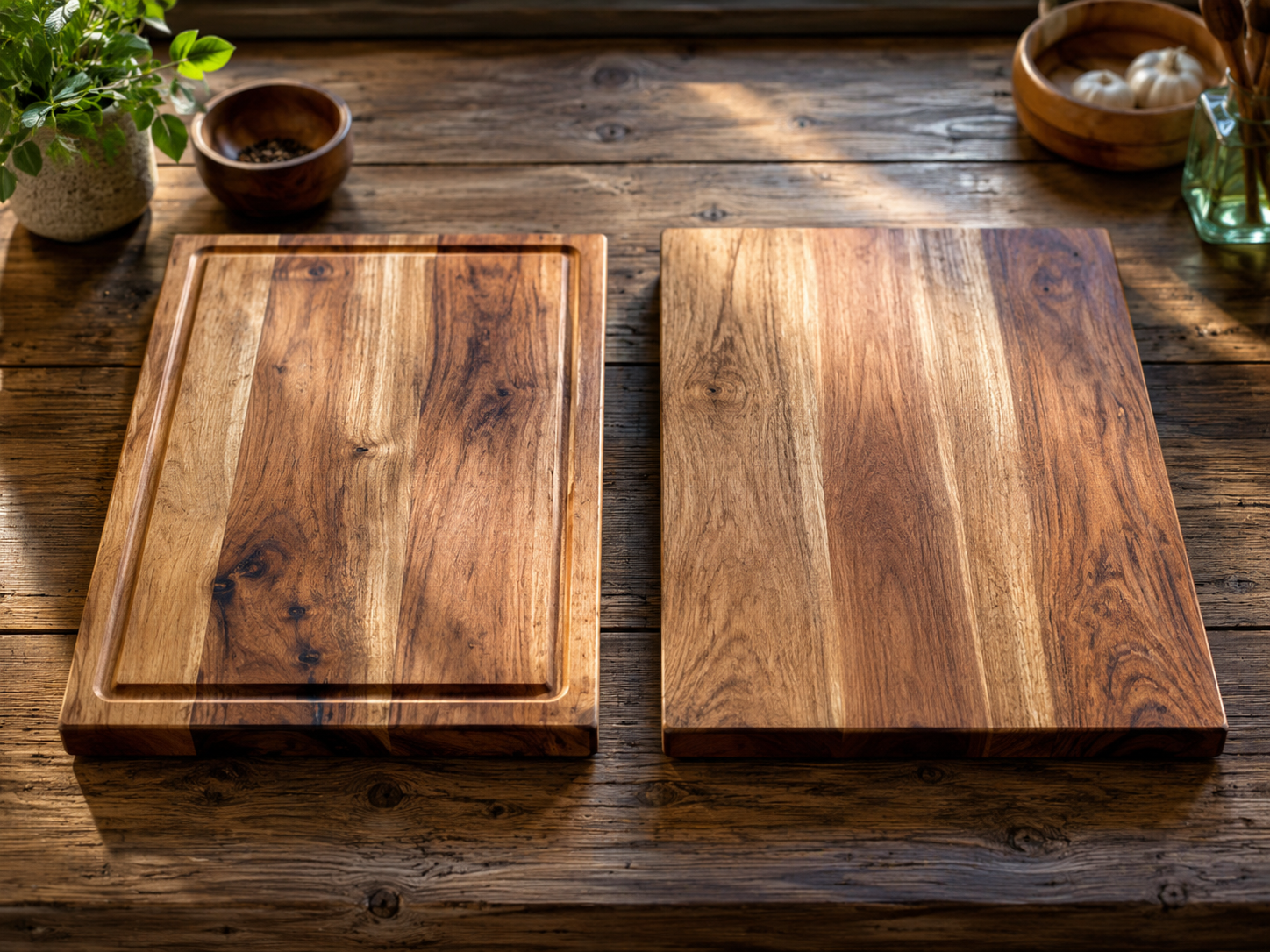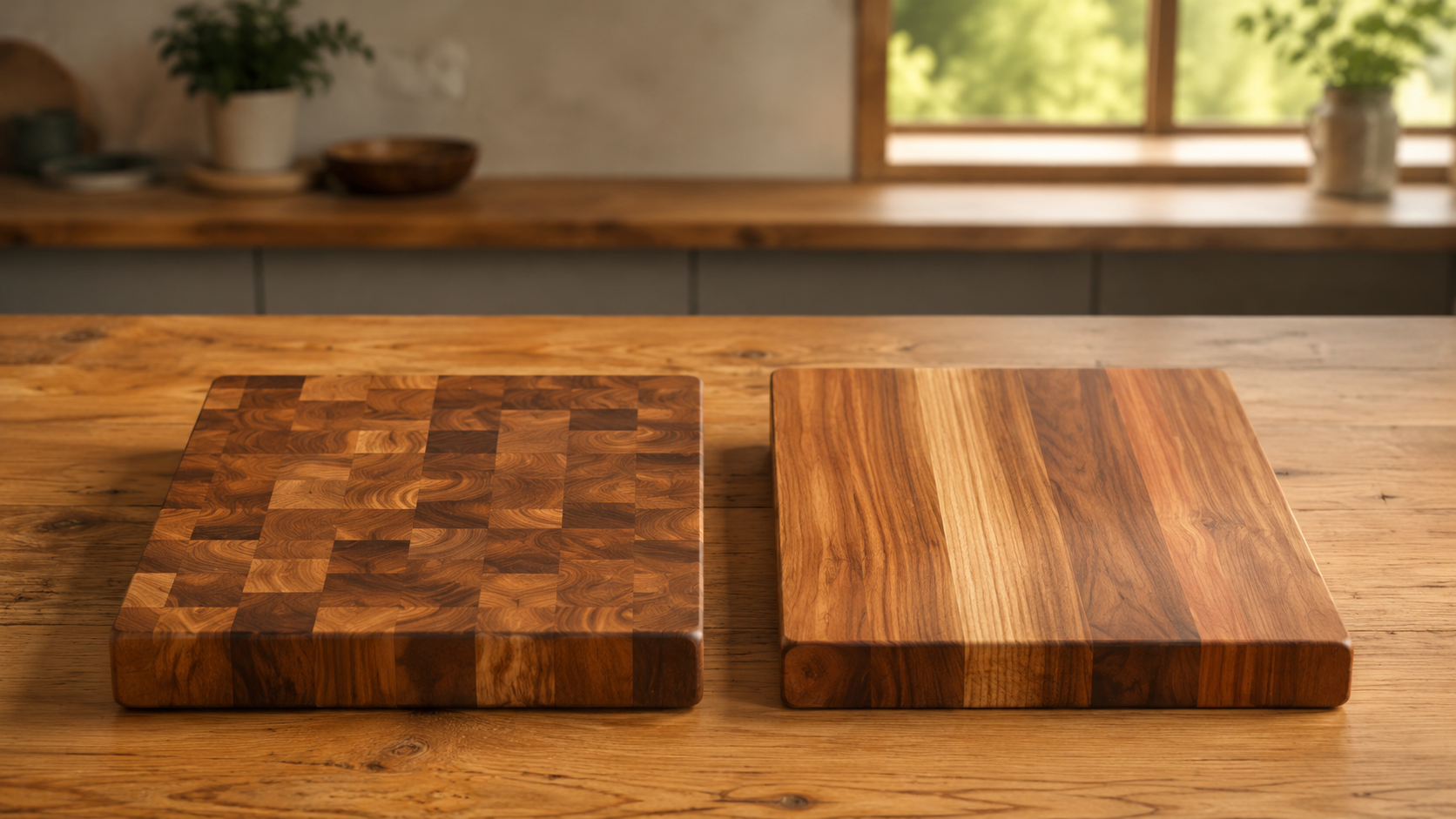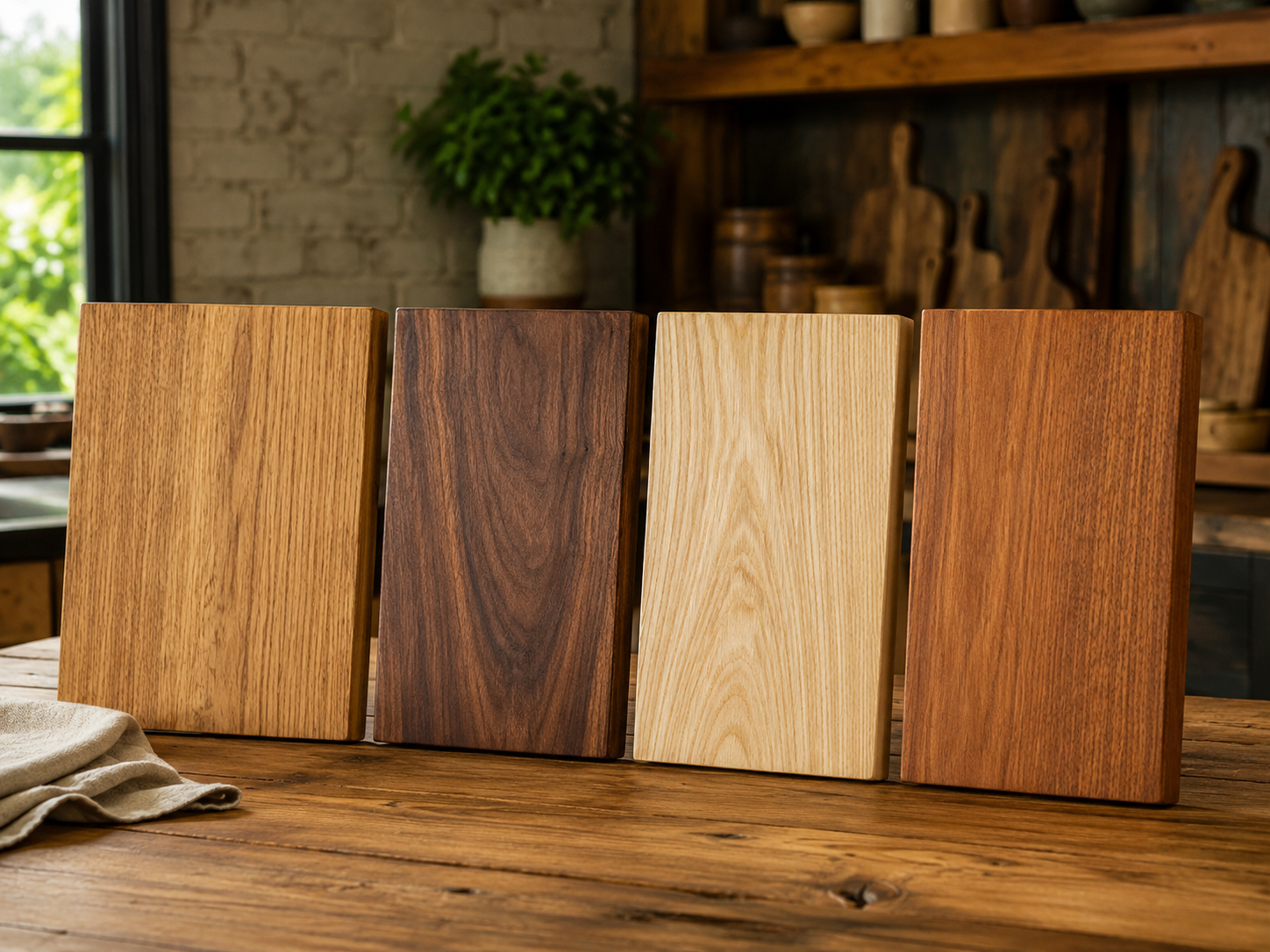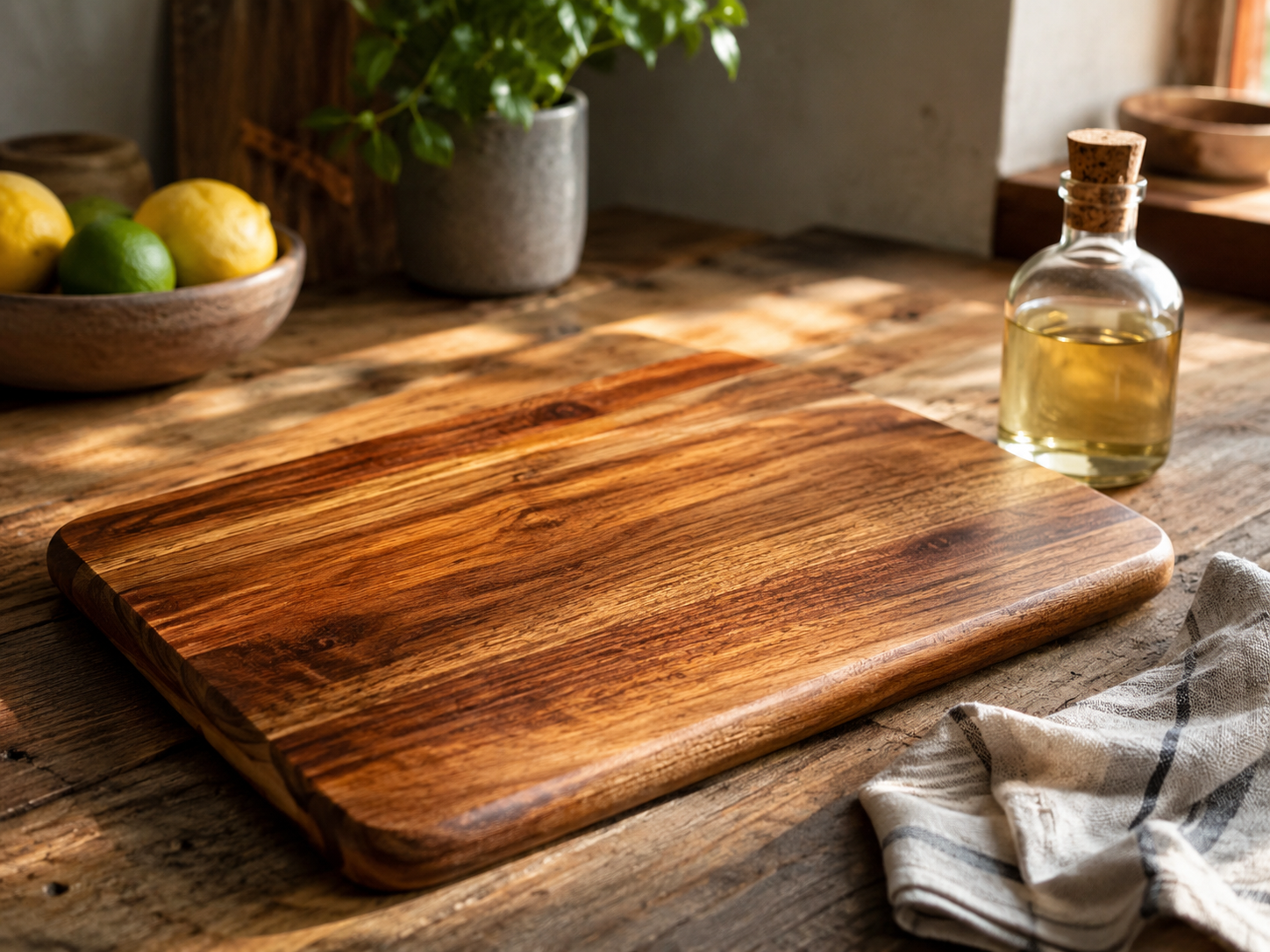
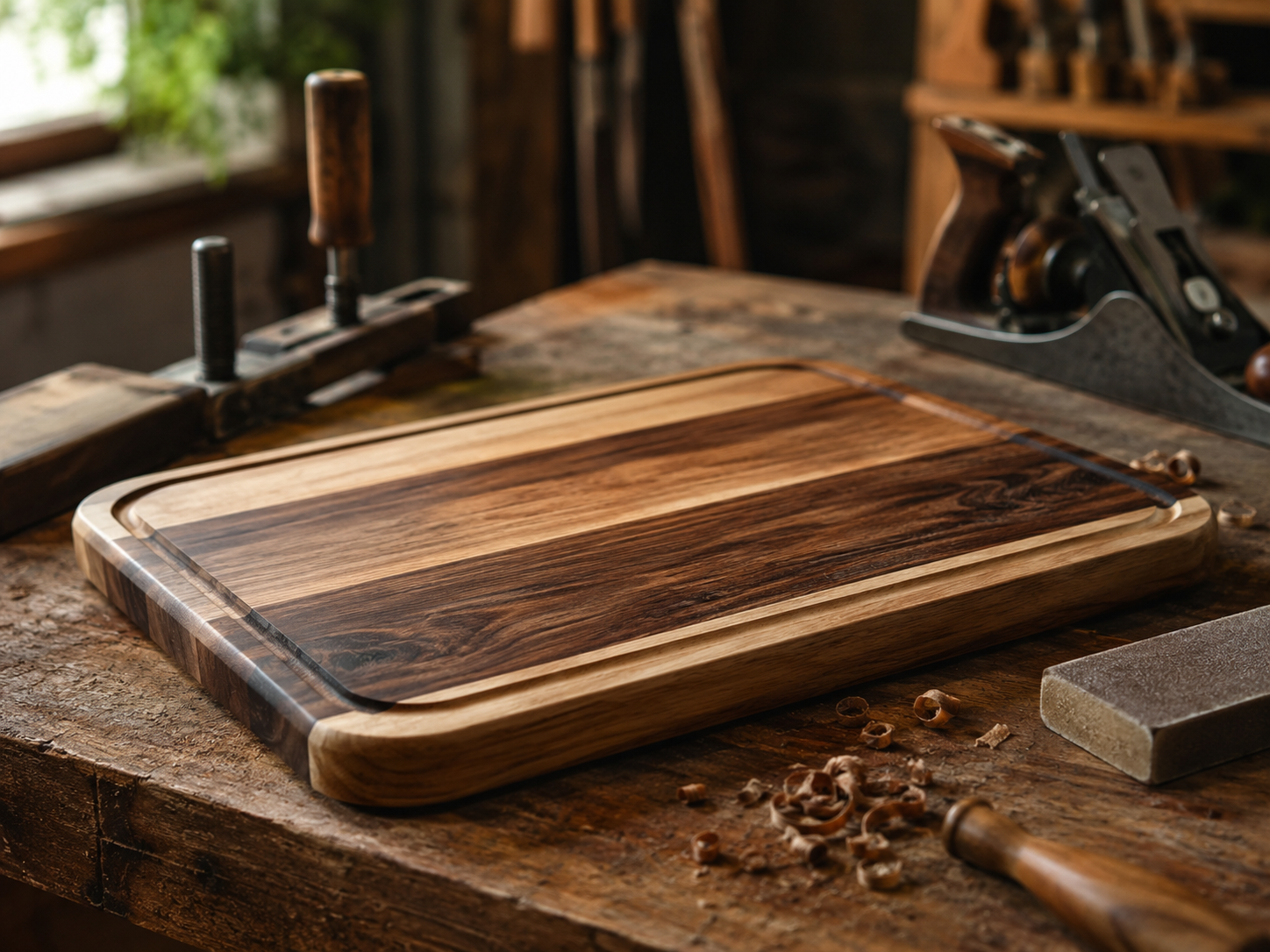
At first glance, a chopping board might seem like a simple product. It is a flat piece of wood used for preparing food. So why does a handmade chopping board cost more than a board from a supermarket or large shop?
The difference is in the timber, the time, the process and the level of care that goes into each piece. A handmade board is not produced in huge quantities on an automated line. It is made in smaller batches, with more attention given to material choice, construction, sanding, finishing and presentation.
The timber costs more
Good hardwood is not cheap. Oak, walnut, ash, iroko and other suitable hardwoods cost more than low-grade timber or manufactured board materials. A handmade chopping board also needs timber that is suitable for kitchen use, attractive enough to sell and stable enough to work with.
There is also waste. When timber is cut, squared, flattened and prepared, some material is always lost. Knots, cracks, defects and poor sections may need to be removed. The finished board is only part of the timber that was originally bought.
The making process takes time
A handmade chopping board involves more than cutting wood to size. The timber may need to be selected, milled, arranged, glued, clamped, flattened, trimmed, routed, sanded and finished. Each stage takes time, and many stages cannot be rushed.
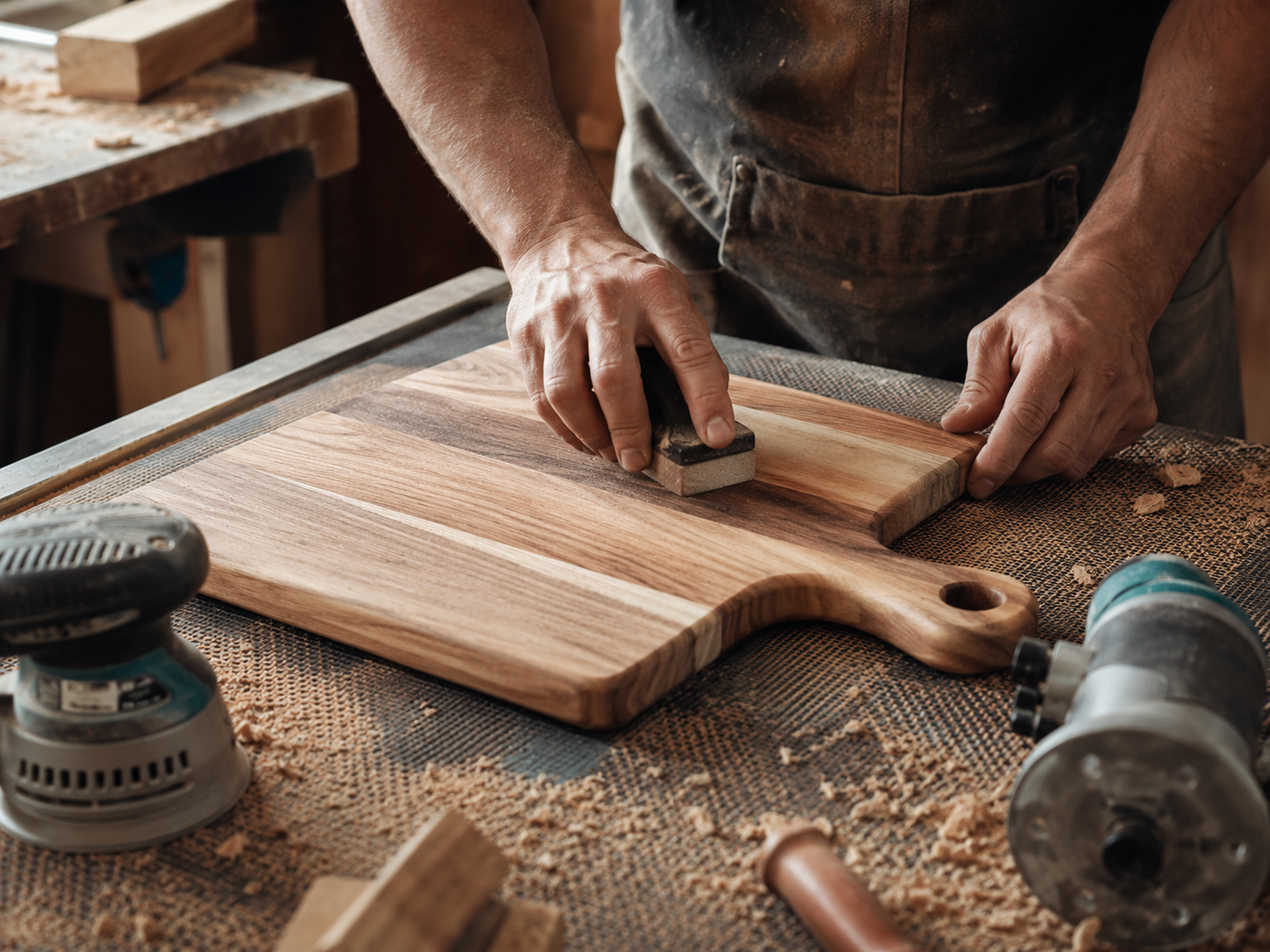
Glue-ups need time to cure properly. Flattening needs care. Sanding has to be done through the grits to create a smooth surface. Edges may be rounded, feet may be fitted and the board may need several coats of food-safe finish.
Finishing makes a big difference
The finish is one of the parts customers notice most. A board that has been sanded properly and oiled carefully feels different from a rushed product. The edges feel better in the hand, the grain looks richer and the whole board feels more complete.
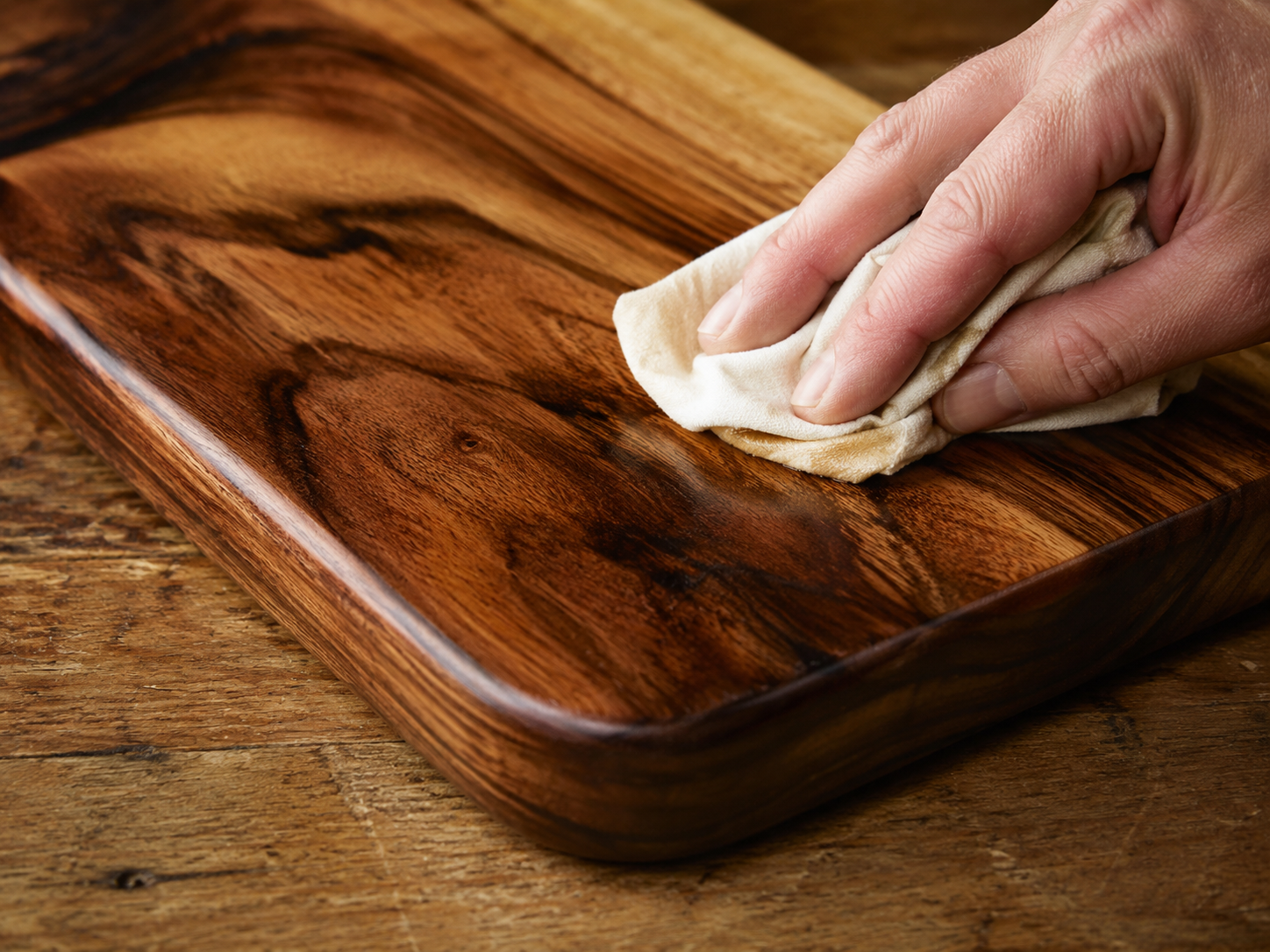
Finishing can include sanding, raising the grain, oiling, waxing, fitting rubber feet, adding care instructions and checking the final board before it leaves the workshop. Those details add time, but they also add value.
Handmade boards are not mass-produced
Large retailers can sell cheaper boards because they produce or buy in large quantities. The cost is spread across thousands of items, and the boards are usually designed to be quick to make and easy to ship.
Handmade boards are different. They are made in smaller numbers, often with more variation between each piece. That means each board needs more individual attention. The maker is not just selling a product; they are selling their time, skill and judgement.
You are paying for quality control
In a handmade product, small details matter. Is the board flat? Are the edges comfortable? Does the grain look good? Has the board been sanded properly? Has the finish been applied well? These checks all take time.
A handmade board should feel solid, considered and ready to use. That level of care is part of what the customer is paying for.
Packaging and presentation matter too
If a chopping board is being bought as a gift, presentation becomes important. Care cards, sleeves, stickers, packaging and safe delivery materials all add cost. They also help make the product feel more special when it arrives.
Final thoughts
Handmade chopping boards cost more because they take more time, better materials and more care. They are not designed to be the cheapest option. They are designed to feel better, look better and last when properly looked after.
If you only need the cheapest possible board, a shop-bought one may be enough. If you want something with character, quality and a human touch behind it, a handmade chopping board is worth the extra cost.